Swipe Left on Corporate Accounts: The Mass Brand Unfollowing Nobody Saw Coming
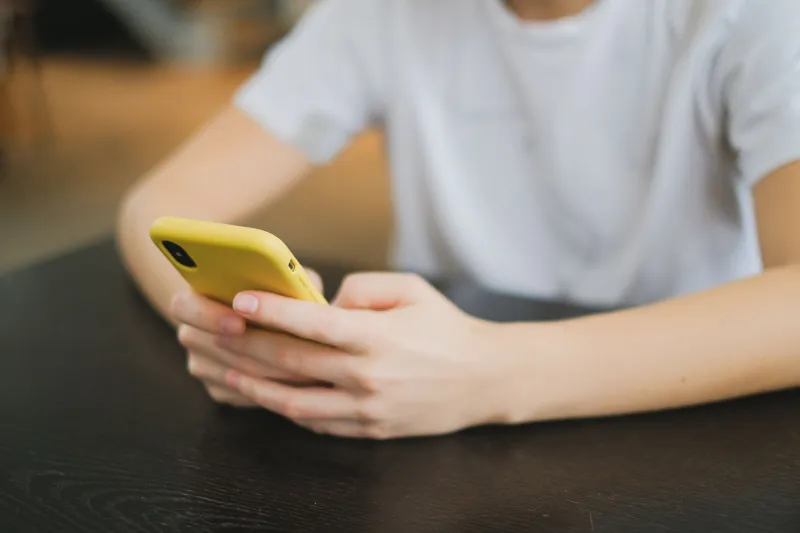
There's a certain kind of digital fatigue that doesn't announce itself all at once. It builds slowly — one too many "limited time offer" posts, one too many branded memes that land with a thud, one too many Stories that feel less like connection and more like a billboard that followed you home. And then one day, you open Instagram or TikTok or X, hover over a brand account you've followed for years, and just... tap unfollow.
No drama. No explanation. Just gone.
This is happening across America at a scale that's starting to make marketing departments genuinely nervous — and for good reason. Consumers aren't just passively ignoring corporate content anymore. They're actively evicting it.
The Feed Got Too Loud
Cast your mind back to the early days of brand social media. Following your favorite sneaker company or coffee chain felt kind of cool — like getting a backstage pass to a brand you actually liked. Companies were figuring out the internet in real time, and there was a novelty to it.
That novelty is long dead.
Over the past decade, brand accounts multiplied like kudzu. Every company, from Fortune 500 giants to your local mattress store, decided it needed a "voice" online. Social feeds that once felt personal started looking like digital strip malls. And somewhere along the way, the implicit deal between brands and followers — we'll entertain you, you'll think of us when you buy stuff — stopped feeling like a fair trade.
Recent data backs this up. Studies tracking social media engagement have consistently shown declining interaction rates with branded content across nearly every major platform. Users aren't just less engaged; a meaningful and growing slice of them are actively cleaning house.
The Psychology of the Unfollow
So what actually pushes someone over the edge? It turns out the unfollow button carries more psychological weight than most people realize.
For starters, there's what researchers call "parasocial debt" — the low-grade feeling that you owe something to every account you follow, whether that's attention, engagement, or just mental real estate. Following a brand means agreeing, on some level, to let their messaging into your headspace. When that content stops delivering any real value, the relationship starts feeling one-sided in a way that's genuinely draining.
There's also the identity piece. Your follow list is a kind of self-portrait. When people started curating their feeds more intentionally — a trend that accelerated sharply post-pandemic — many realized their accounts said less about who they actually were and more about every marketing campaign that had ever snagged their attention. Unfollowing a brand isn't just housekeeping. For a lot of people, it's a small act of reclaiming something.
And then there's plain old oversaturation. The brands that post three times a day, that hijack every trending topic, that slide into comment sections with cringe-worthy attempts at relatability — they're not just annoying. They actively erode whatever goodwill they'd accumulated. The Wendy's Twitter era made "brands being snarky online" feel fresh for about five minutes. Now it mostly just feels desperate.
Quiet Quitting Your Brand Relationships
The parallel to workplace "quiet quitting" is hard to miss. Just like employees who stop going above and beyond without formally resigning, a huge chunk of followers have mentally checked out of brand relationships without ever making it official. They haven't unfollowed yet, but they're not watching the Stories, not clicking the links, not engaging with anything. They're ghosts in the algorithm.
Brands often don't even know this is happening. Follower counts stay intact. The numbers look fine on paper. But reach and engagement tell a different story — one where the audience has essentially left the building while the lights are still on.
This zombie-follower phenomenon is arguably worse for brands than an outright unfollow, because it creates a false sense of security. Companies keep investing in content strategies built for an audience that stopped caring months ago.
What Brands Are Getting Wrong
The instinct for most companies when engagement drops is to post more — more content, more formats, more platforms. That instinct is almost always wrong.
What's actually working right now is specificity and genuine restraint. Brands that have held onto their audiences tend to share things that feel actually useful or authentically interesting rather than algorithmically optimized. They post less but mean it more. They treat their followers like people who have real lives and limited attention spans rather than captive audiences waiting to be converted.
There's also a growing recognition that the brands people want to follow are the ones that feel human in a non-performative way. Not "relatable" in the carefully workshopped, focus-grouped sense, but genuinely transparent — showing real behind-the-scenes moments, owning mistakes without PR-speak, building communities around shared interests rather than just pushing product.
Easy to say. Much harder to actually execute when you've got a quarterly sales target breathing down your neck.
The Platforms Are Paying Attention
This shift in user behavior isn't just a brand problem — it's a platform problem. Instagram and TikTok have both made noise about prioritizing content from accounts users genuinely interact with over content from accounts they passively follow. In theory, that should mean less corporate noise. In practice, the ad inventory still needs to be filled, so the promotional content finds other ways in.
What it does mean is that organic brand reach — the kind that doesn't require paying for placement — is quietly dying. If you're a brand and your followers aren't actively choosing to engage with your content, the algorithm is going to bury you just as fast as any individual user would.
Where This Goes From Here
The mass brand unfollow isn't a blip. It's a recalibration — one that's been building for years and shows no signs of reversing. American consumers are increasingly treating their digital attention like a finite resource (because it is), and they're getting less and less willing to donate it to companies that aren't holding up their end of the bargain.
For brands, the path forward probably isn't more social media. It's better social media — which sometimes means showing up less, saying something real when you do, and accepting that the era of every company having a massive organic following is just over.
For the rest of us? The unfollow button is right there. Your feed is yours. Curate accordingly.