Streaming Subscriptions Are Getting Dumped — Here's Where Everyone Is Running Instead
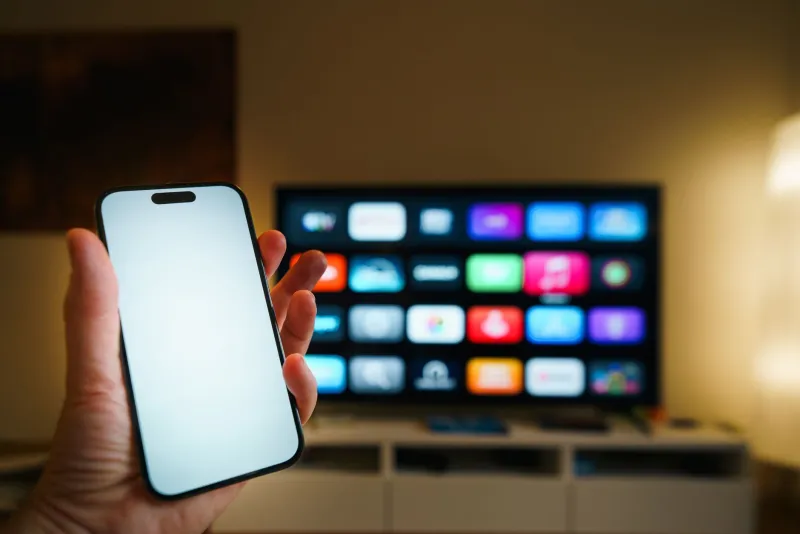
Remember when cutting the cord felt like the smartest financial move you'd ever made? You tossed your cable box, signed up for Netflix, maybe added Hulu, and felt like a genius. Fast forward to today, and somehow you're paying more than you ever did for cable — except now you've got seven different apps, four different passwords, and zero idea which one actually has the show you want to watch.
Something had to give. And in 2024, it finally did.
Subscription churn — the industry term for people bailing on their streaming services — has hit levels that are genuinely rattling the major platforms. According to data from Antenna, a subscription analytics firm, the average American household now subscribes to four or more streaming services at any given time, but the average length of a single subscription has dropped significantly over the past two years. People aren't quitting streaming altogether. They're just done playing the long game with it.
The Breaking Point Nobody Saw Coming (Except Everyone Did)
Let's be honest — the writing has been on the wall for a while. Disney+, Netflix, Max, Peacock, Paramount+, Apple TV+, and Amazon Prime Video have all raised prices in the past 18 months. Some of them more than once. Meanwhile, the actual content — the whole reason you signed up in the first place — has started to feel weirdly... thin. Big-budget shows get canceled after one season. Entire libraries disappear overnight. And the algorithm keeps recommending the same three things you already watched.
Dr. Melissa Carr, a consumer behavior researcher who studies subscription economics, puts it plainly: "People hit a psychological ceiling. There's a threshold where the perceived value just doesn't match what's coming out of your bank account every month. And once you cross that line, inertia stops protecting the subscription."
That inertia — the sheer laziness that kept most of us subscribed to services we barely used — has officially worn out. Consumers are more intentional now, and the platforms are feeling it.
The Rise of the Rotating Subscriber
Here's a strategy that's become weirdly mainstream: people are treating streaming services like a library card rotation. Subscribe to one platform for a month or two, binge everything you want, cancel, move on to the next one. Repeat.
It sounds like a lot of effort, but it turns out millions of Americans have decided it's worth it. Platforms actually have a name for these users — "churners" — and they've been desperately trying to figure out how to stop them. Longer free trial blackouts, cancellation friction, loyalty perks — none of it has worked particularly well.
The rotating subscriber model works because most platforms now front-load their best content into a few high-profile releases per quarter. If you know the release schedule, you can time your subscription to catch the good stuff and bounce before the dry spell hits. It's not glamorous, but it's effective.
Free TV Is Having Its Moment
While the paid platforms fight over shrinking attention spans, a whole other ecosystem has been quietly growing in the background: free, ad-supported streaming television, or FAST channels.
Services like Tubi, Pluto TV, and The Roku Channel have seen explosive growth over the past year. Tubi alone reported over 74 million active users in 2023, a number that puts it in direct competition with some of the paid giants. The trade-off is ads — more of them, placed more frequently — but for a growing chunk of viewers, that's a trade they're willing to make.
"There's a nostalgia factor at play," says Carr. "Watching TV with commercials is actually how most Americans grew up experiencing entertainment. For a lot of people, it doesn't feel like a downgrade — it feels familiar."
The content on FAST platforms isn't exactly prestige TV, but it's broader than you'd think. Classic network shows, older movies, niche genre channels, true crime marathons — it's the television equivalent of a well-stocked thrift store. You go in looking for one thing and end up staying for two hours.
Wait — Is Cable Actually Back?
Here's the plot twist nobody asked for: the cable bundle is staging a quiet comeback, just in a different form.
Major telecom and media companies have started offering bundled packages that combine multiple streaming services at a discounted rate. Disney's bundle (Disney+, Hulu, and ESPN+) was one of the first, but now Comcast, Charter, and others are getting in on it, packaging streaming apps alongside traditional internet and TV service in ways that actually undercut what you'd pay subscribing to each individually.
It's a strange loop. We left cable to escape the bundle. Now we're paying for bundles to escape the chaos of individual subscriptions. The difference this time is that consumers have more control over what's in the package — at least in theory.
Analysts at MoffettNathanson noted earlier this year that "virtual pay TV" bundles have started stabilizing subscriber numbers for some providers who'd been bleeding customers for years. It's not a full reversal of cord-cutting, but it's a sign that the pendulum is swinging back toward consolidation.
What This Means for the Platforms
The streaming wars aren't over, but the battlefield has definitely shifted. The era of "spend billions, grow subscribers at any cost" is done. Profitability is the new growth, which means fewer experimental shows, more franchise content, and a harder line on password sharing.
That last point — the crackdown on account sharing — has been one of the biggest accelerants of the current churn wave. Netflix's password-sharing enforcement pushed millions of freeloading users to either pay up or walk away. A surprising number walked away, at least initially. But Netflix also saw a significant uptick in new paid subscribers in the months that followed, suggesting the tough love strategy actually worked for them, even if it burned some goodwill.
Other platforms are watching closely and making their own calculations.
So What Are People Actually Doing?
The honest answer is: a little bit of everything. The average American's streaming diet in 2024 looks something like one or two paid subscriptions (often bundled), a free FAST service running in the background, and YouTube filling in more gaps than anyone in the industry wants to admit.
YouTube, in particular, deserves its own conversation. It's free, it's massive, and its long-form content has gotten genuinely good. For younger viewers especially, YouTube isn't a supplement to streaming — it's often the main event.
The bottom line is that Americans haven't stopped watching. They've just stopped being passive about how they pay for it. The days of mindlessly accumulating subscriptions are over. The new viewer is pickier, more strategic, and a lot harder to keep.
For the platforms, that's a wake-up call. For the rest of us? Honestly, it feels like we finally got the upper hand.