Cleaning House: The Quiet Revolution of People Curating Their Own Feeds on Their Own Terms
There's no announcement. No dramatic callout post. No subtweet. One day you're just scrolling through your feed and you think — why am I even following this person? And then you don't. You hit unfollow, close the app, and somehow feel a little lighter.
This is happening across the country right now, quietly and constantly. People are rethinking who and what earns space in their daily scroll. And the results are reshaping not just individual feeds, but the entire social media ecosystem.
From Follower Count to Follow Quality
For years, the social media playbook told us more was more. More followers, more accounts to follow, more engagement, more reach. Platforms were designed — algorithmically, psychologically — to keep you adding. Follow this person. You might like this brand. Here's an account similar to one you already follow.
But somewhere around the mid-2020s, a counter-movement started picking up steam. People weren't just passively consuming their feeds anymore. They were auditing them.
Ask anyone who's done a serious unfollow purge lately and they'll describe it the same way: like clearing clutter out of a room you forgot could feel spacious. Suddenly, the content that fills your feed actually reflects who you are and who you genuinely care about — not who an algorithm decided you should probably know about.
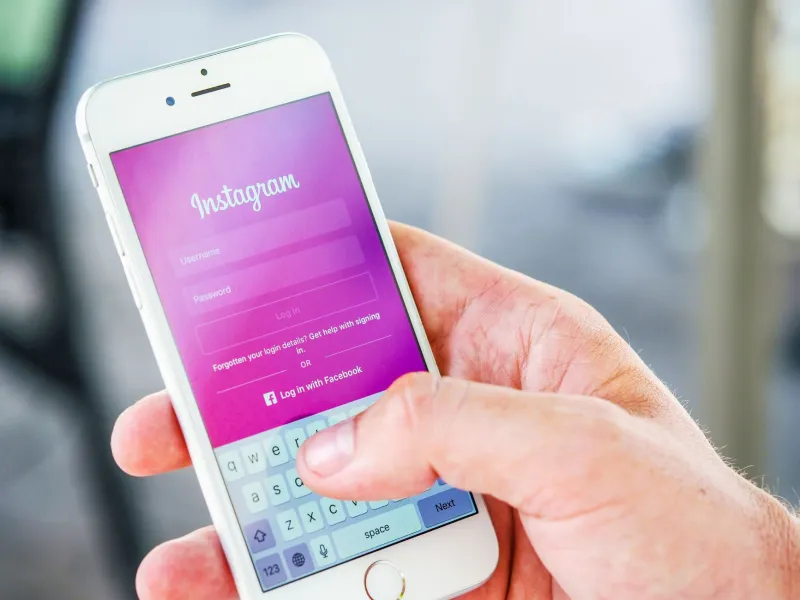
"I realized I was following like 800 accounts and maybe cared about 40 of them," says one 28-year-old in Chicago who recently slashed her Instagram follows by more than half. "Now when I open the app, I'm actually happy to be there."
The Influencer Industrial Complex Hits a Wall
Creators are feeling this shift in real time. Engagement rates that once felt reliable are getting spottier. Follower counts that climbed for years are flattening or ticking downward. And the reason isn't just platform algorithm changes or attention spans shrinking — it's that audiences are making more intentional choices about who gets their eyes.
The influencer economy was built on a certain kind of parasocial relationship. You follow someone you've never met, you watch their life, you buy what they recommend, and somewhere in your brain it registers as a genuine connection. It worked brilliantly for a long time. But after years of sponsored content, gifted partnerships, and carefully staged "authentic" moments, a lot of people have simply gotten tired.
The phrase "authentic connection fatigue" has started popping up in marketing circles, and it's exactly what it sounds like. When every influencer is selling you something while performing vulnerability, the whole genre starts to feel hollow. People don't unfollow out of anger. They unfollow out of indifference — which is actually worse for creators.
Brands Are Losing Ground Too
It's not just individual influencers taking the hit. Brand accounts are getting pruned right alongside them. Even brands that built genuinely clever, personality-driven social presences are finding themselves on the chopping block as users decide they'd rather follow their actual friends than a corporation doing its best impression of one.
This is a real headache for marketing teams that spent years trying to make their brand accounts feel "human." Turns out, humans can tell the difference between a person and a brand pretending to be a person — and eventually, they stop playing along.
The brands that seem to be surviving the purge are the ones that offer something genuinely useful: real discounts, practical information, community spaces that don't feel like sales funnels. Anything that smells like performance for performance's sake is getting cut.
The Psychology of Taking Your Feed Back
So what's actually driving this? Psychologists who study social media behavior point to a few overlapping forces.
First, there's cognitive load. Following hundreds of accounts means processing hundreds of perspectives, aesthetics, and emotional tones every single day. That's exhausting in ways people don't always consciously recognize until they stop.
Second, there's a growing awareness of how feeds affect mood. The research on social comparison — the way seeing curated highlight reels makes people feel worse about their own lives — has filtered into mainstream conversation enough that people are actually acting on it. When you realize a certain account reliably makes you feel inadequate or anxious, unfollowing becomes an act of self-care.
Third, and maybe most interestingly, there's a reclaiming of social media as a social tool. For a lot of people, the original appeal of platforms like Facebook and Instagram was staying connected with people they actually knew. Somewhere along the way, that got buried under layers of influencer content, brand partnerships, and algorithmically boosted strangers. The current unfollow wave is, in part, people trying to dig back down to that original value.
What This Means for the Platforms Themselves
Here's where it gets complicated. Social platforms are built on engagement, and engagement has historically been driven by the kind of content that creators and brands produce at scale. If users are routing around that content in favor of smaller, more personal networks, the entire advertising model that funds these platforms gets shakier.
Some platforms are already responding. Instagram has been quietly testing features that let users see posts from close friends more prominently. BeReal had a whole moment based entirely on the premise of genuine, unfiltered sharing between actual friends (though its staying power proved limited). Even LinkedIn has seen users push back against the increasingly performative nature of professional content there.
The direction of travel seems clear: people want their social feeds to feel social again. Whether platforms can adapt their business models to that preference without gutting their own revenue is the billion-dollar question nobody has fully answered yet.
So What Does This Mean for You?
If you haven't done a follow audit recently, it might be worth trying. Not as a productivity exercise or a digital wellness trend, but just as a genuine check-in: does this account actually add something to your day? Does it connect you to someone or something you care about? Or is it just there because you followed it three years ago and never thought to revisit that decision?
The feeds that feel best, according to people who've done the work of curating them, are the ones that reflect real life — messy, personal, specific. Not a highlight reel of strangers. Not a catalog of products dressed up as a personality. Just the people and things you actually want to keep up with.
That's a pretty simple idea. But in 2025, quietly acting on it might be one of the more radical things you can do online.