Inbox Zero Is Dead — Here's Where Americans Are Actually Getting Their News Now

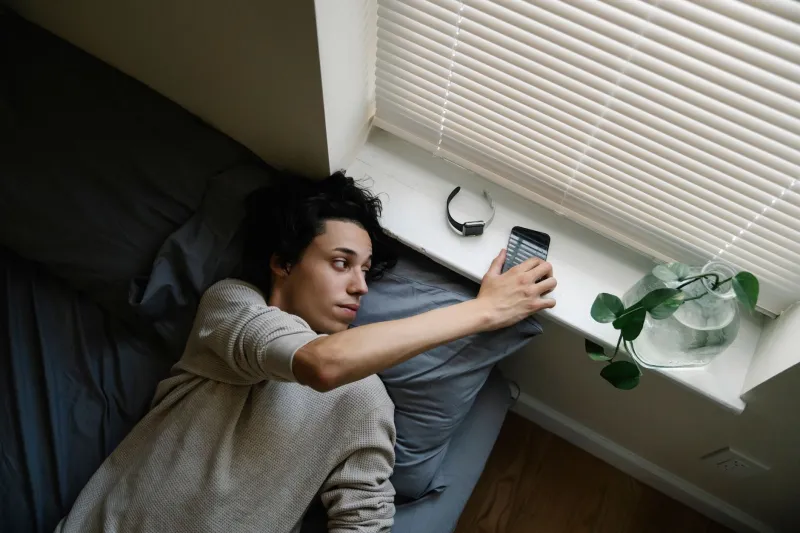
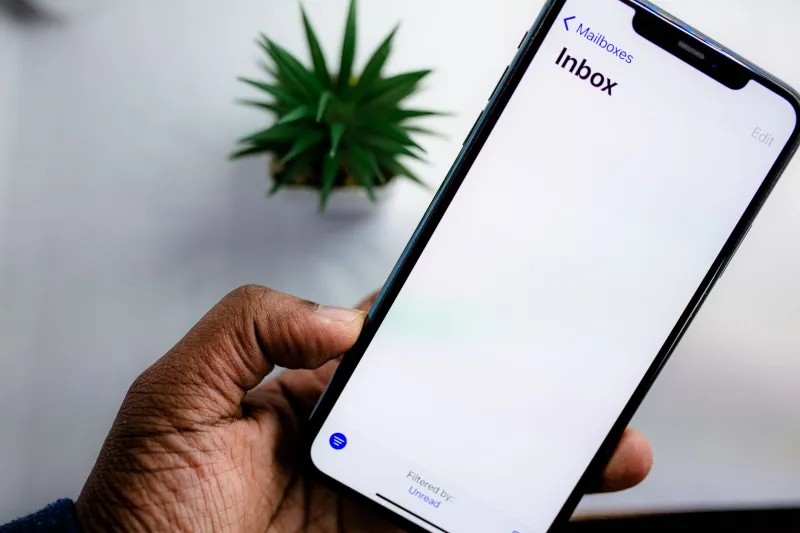
Remember when getting an email felt like something? Like, an actual thing that happened to you? Someone reached out, you responded, maybe something cool came of it. These days, opening your inbox feels less like communication and more like walking into a room where everyone is trying to sell you something at the same time.
And Americans are done with it.
Not in a dramatic, delete-your-account kind of way — more like a slow, quiet drift. The unsubscribe button gets clicked a little more often. The newsletters pile up unread. The promotional tab in Gmail becomes a graveyard nobody visits. It's not a protest. It's just exhaustion.
The Inbox That Broke Us
Email marketing had a golden era, and it lasted roughly from 2010 to whenever you personally hit your limit. Brands figured out that getting into someone's inbox was basically a cheat code — cheaper than ads, more direct than social, and weirdly personal for something so mass-produced. So they leaned in hard. Then harder. Then absolutely unhinged.
The average American receives somewhere north of 100 emails per day when you count everything — work stuff, shopping confirmations, newsletters, the relentless drip of re-engagement campaigns from brands you bought one thing from in 2021. Our brains, which were never really built for this kind of volume, started doing the only rational thing: tuning it all out.
Inbox fatigue is a real psychological phenomenon. When the signal-to-noise ratio gets bad enough, the brain stops trying to sort them and just treats the whole channel as noise. You stop reading. You stop clicking. You stop caring. And once that happens, it's really hard to come back.
The Discord Takeover Nobody Predicted
Here's the thing about Discord: it was built for gamers. Like, specifically for people who wanted to coordinate raids and argue about build loadouts. And then, somehow, it became one of the most important communication tools on the internet for everyone else too.
Niche Discord servers have quietly eaten a huge chunk of what email newsletters used to do. Want to stay current on indie film releases? There's a server for that. Obsessed with a specific corner of the sneaker market? Multiple servers, actually, and they're extremely active. Into sustainable fashion, local politics, experimental music, sourdough? You get the idea.
What Discord offers that email never could is texture. It's not a one-way blast from a brand or a creator — it's an ongoing conversation with a community of people who care about the exact same thing you do. The information feels earned rather than delivered. And because you opted into a specific community rather than a mailing list, there's a sense of belonging that no newsletter ever managed to manufacture.
Substack and the Writer You'd Actually Pay For
Substack is doing something interesting on the other end of the spectrum. While Discord is all about community chaos, Substack is betting that people still want long-form writing — they just want it from individual humans they trust, not from editorial teams optimizing for clicks.
And it's working. Substack has millions of active paid subscribers across its platform, with some individual writers pulling in serious six-figure incomes from people who genuinely want to read what they have to say. The difference from a traditional newsletter isn't just aesthetic — it's relational. When you pay five or ten dollars a month to read one person's thoughts, you're not treating it like inbox clutter. You're treating it like a subscription to something that matters.
The writers doing well on Substack tend to be the ones who write like they're talking to a friend rather than broadcasting to a list. They share opinions. They admit uncertainty. They write about their own lives alongside whatever beat they're covering. That intimacy is the whole product.
DMs as the New Newsletter
There's also a more informal shift happening that doesn't get talked about as much: people are increasingly getting their information through direct messages. A friend texts you a link. Someone shares a post in a group chat. A creator you follow on Instagram sends a broadcast message to their close friends list.
None of this is formal. None of it is trackable by marketers in the way email campaigns are. And that's kind of the point. When something lands in your DMs, it carries the implicit endorsement of whoever sent it. It feels curated by someone who knows you, not targeted by an algorithm that's making educated guesses.
Brands have noticed this, of course, and some are trying to colonize these spaces too — Instagram broadcast channels, WhatsApp newsletters, SMS marketing lists. The jury's still out on whether that ruins the vibe entirely or whether some brands can pull it off without feeling gross about it.
What This Means for the Stuff You Actually Care About
If you're in the middle of this transition yourself — inbox overflowing, half your subscriptions unread, vaguely aware that you're missing things you'd actually want to know — here's the practical version of what's happening:
The best information is increasingly living in smaller, more intentional spaces. A Discord server run by people who are obsessive about your hobby. A Substack from a writer who covers your industry better than any trade publication. A group chat with five people who share your taste in literally anything.
Finding those spaces takes a little more effort than clicking 'subscribe' on a website. But once you're in, the quality of what you're getting tends to be dramatically higher than anything that showed up in your promotional tab.
The inbox isn't going away. Work email is still work email, and some newsletters are genuinely worth reading. But as the primary place where Americans stay informed, entertained, and connected? It's been quietly replaced — not by one thing, but by a dozen smaller, weirder, more human alternatives that feel nothing like marketing.
And honestly? Good riddance.