Meet Your New Favorite Influencer — She Doesn't Exist and Never Did
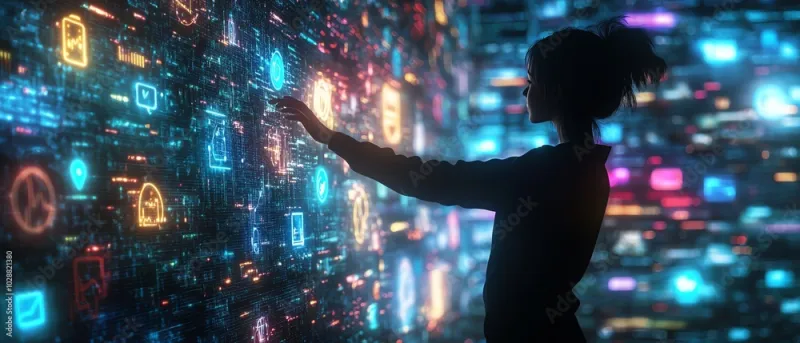
Photo: futuristic digital avatar hologram social media influencer technology, via as2.ftcdn.net
Her name is Aitana López. She has 350,000 Instagram followers, a partnership with several major brands, and a carefully curated aesthetic that's somewhere between fitness model and alt-girl gamer. She posts regularly, engages with comments, and earns her management agency upward of $10,000 a month in brand deals.
She also isn't real. She never was.
Aitana is a fully AI-generated influencer, created by a Barcelona-based agency called The Clueless. And she's not even close to alone. Across Instagram, TikTok, and YouTube, a growing roster of synthetic personalities — Lil Miquela, Imma, Shudu, and dozens of newer, more convincing iterations — are racking up followers, landing endorsement deals, and building what look, from the outside, like genuine parasocial relationships with real human audiences.
This is not a distant future scenario. It's already happening, and the brands driving it aren't exactly losing sleep over the ethical questions.
Why Brands Are Done With Human Beings
Let's be honest about what's motivating this shift, because the industry certainly isn't going to spell it out for you.
Human influencers are, to put it diplomatically, unpredictable. They have opinions. They have bad days. They get caught in scandals, make statements that alienate customers, and occasionally decide mid-campaign that they want to pivot their entire personal brand in a direction that has nothing to do with the product they're contractually obligated to promote. They negotiate. They push back. They get sick, go through breakups, and have public meltdowns that can tank a brand's carefully managed image in a single afternoon.
AI influencers have none of these problems.
"The appeal is control," says one digital marketing strategist who works with mid-size consumer brands and asked not to be identified by name. "You get a face, a personality, an aesthetic — and you own all of it. There's no crisis management. There's no 'our brand partner made a controversial statement.' The content is exactly what you approve, every single time."
For brands that have been burned by influencer controversies — and there are a lot of them — the proposition is genuinely tempting. Why roll the dice on a human being when you can deploy a perfectly calibrated digital persona that will never, under any circumstances, go off-script?
The Technology Is Moving Faster Than the Conversation
A year ago, AI-generated images were still easy to spot if you knew what to look for — weird hands, slightly off eyes, that uncanny smoothness that read as not-quite-right. That gap is closing fast.
Tools like Midjourney, DALL-E, and a growing suite of video synthesis platforms are producing outputs that are increasingly indistinguishable from real photography and videography. Combine that with AI-generated voice, automated caption writing, and social media scheduling tools, and a single operator can run a convincing influencer account at scale — posting multiple times a day, responding to DMs, and maintaining a consistent persona — without a human subject ever entering the picture.
Some agencies are going further, using deepfake technology to create video content featuring synthetic personalities in dynamic, seemingly candid situations. The influencer is "at the gym," "trying a new restaurant," "getting ready for a night out" — all of it fabricated, all of it designed to replicate the casual authenticity that made human influencers appealing in the first place.
The irony there is thick enough to cut with a knife.
What This Does to Real Creators
For working influencers — the actual human beings who've spent years building audiences, developing their voice, and navigating the brutal economics of the creator economy — the synthetic competition isn't just annoying. It's existential.
"Brands are already using AI to generate content for their own channels instead of hiring creators," says one lifestyle content creator based in Nashville who has been working with brand partners for five years. "Now they're building fake influencers on top of that. The budget that used to go to people like me is going somewhere else, and the audience doesn't always know the difference."
The disclosure question is a genuine regulatory gray area. The FTC requires human influencers to clearly label sponsored content, but the rules around AI-generated personas and their brand relationships are murky at best. Some synthetic influencer accounts disclose their AI nature in their bios; many don't. The audiences engaging with them — liking posts, leaving comments, feeling a sense of connection — are often operating without that basic piece of information.
That's not a minor detail. Parasocial relationships — the one-sided emotional bonds audiences form with creators — are built on a foundation of perceived authenticity. When that foundation is synthetic, the whole structure means something different, even if the feelings it generates are real.
The Uncanny Valley Has a Business Model Now
Here's what's genuinely fascinating, and a little unsettling, about where this is heading: audiences don't always care.
Lil Miquela, arguably the most prominent AI influencer in the US market, has been publicly identified as a computer-generated character since 2018. Her follower count has continued to grow. She's collaborated with Prada, Calvin Klein, and Samsung. Her comment sections are full of people who engage with her as though she's a real person they have a relationship with.
Researchers who study parasocial dynamics point out that the human brain isn't particularly good at distinguishing between "real" connection and simulated connection — especially when the simulation is sophisticated enough and the emotional cues are calibrated correctly. We bond with fictional characters in books and movies. We feel genuine grief when a TV show ends. The line between authentic and artificial has always been blurrier than we like to admit.
But there's a difference between willingly suspending disbelief for a character in a story and being quietly deceived into forming an emotional attachment to a brand asset designed to extract purchasing decisions from you. One is entertainment. The other is something else.
Where Does This Leave Everyone?
The synthetic influencer economy isn't going to disappear — the financial incentives are too strong and the technology is too accessible. But it's also unlikely to fully replace human creators, for a reason that's easy to overlook in all the anxiety about AI displacement.
People, ultimately, want to connect with other people. The appeal of the creator economy was never really about aesthetics or production value — it was about the feeling that someone out there was talking to you specifically, sharing something real, existing in the same messy world you do. AI can replicate the surface of that. It can't replicate the substance.
At least not yet.
For now, the most useful thing audiences can do is pay attention — check bios, look for disclosure language, and be a little skeptical of the too-perfect persona with the suspiciously flawless skin and the brand deal in every other post. Real creators aren't going down without a fight, and the ones worth following are leaning harder into the one thing no algorithm can generate: being genuinely, messily, unpredictably human.