The Quiet Logout: What's Really Behind the Wave of Creators Going Dark
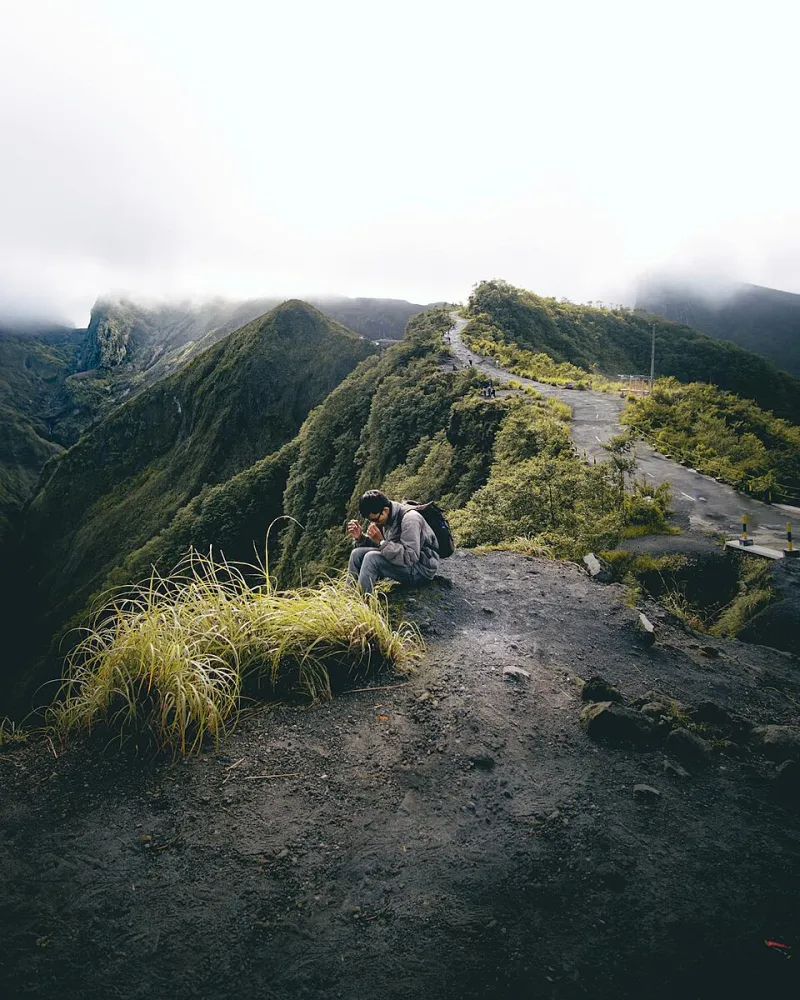
Photo: Semowe, CC0, via Wikimedia Commons
It usually starts the same way. A creator who's been posting every week for years suddenly skips one upload. Then another. Then comes the Instagram story — a blurry, no-makeup selfie with a caption about "needing some time" or "a lot going on right now." Comments flood in. Fans speculate. And then, slowly, the account just... goes quiet.
This isn't a new phenomenon, but it's happening with a frequency and across a scale that's hard to ignore anymore. Creators who built genuine audiences over years — people with millions of subscribers, dedicated Discord servers, merch lines — are stepping back, burning out, or disappearing entirely. And the reasons are a lot more complicated than "they just needed a vacation."
The Algorithm Doesn't Care About Your Mental Health
If you've ever wondered why your favorite YouTuber posts with almost robotic consistency, the answer is both simple and kind of grim: the platforms reward it. YouTube's recommendation algorithm heavily favors channels that upload frequently and keep viewers watching. Twitch's discoverability system punishes streamers who go offline for extended stretches. Instagram's reach drops noticeably when you're not feeding the machine with fresh content.
For creators who depend on that reach — and the ad revenue, sponsorships, and brand deals that come with it — going quiet isn't a neutral choice. It's a financial risk. So they keep going. They film when they're sick. They stream through personal crises. They edit at 2 a.m. because the video has to go up Thursday or the numbers will suffer.
"You're essentially running a small media company by yourself," one former lifestyle creator, who asked to remain anonymous, explained in a conversation earlier this year. "You're the talent, the producer, the editor, the social media manager, and the accountant. And the moment you show any weakness, the algorithm punishes you for it."
When the Audience Becomes the Pressure
There's another layer to this that doesn't get talked about enough: the relationship between creators and their audiences has fundamentally changed, and not always for the better.
In the early days of YouTube — think 2010 to 2015 — the vibe was genuinely scrappy and community-driven. Creators made stuff they liked, audiences found them organically, and the whole thing felt a little like a very public hobby. But as the money got real and the audiences got massive, expectations shifted.
Viewers who once cheered for creators now sometimes feel entitled to them. Comments sections fill up with demands. Fans get angry about upload schedules, format changes, or sponsorship deals. Some creators describe their audiences not as a community but as a constant performance review they can never escape — one that follows them to their personal social accounts, their Reddit pages, and occasionally their real-world lives.
The parasocial dynamic — where fans feel deeply connected to someone who doesn't actually know them — can produce genuine warmth and support. It can also produce a kind of collective pressure that's genuinely hard to describe unless you've experienced it.
Platform Shifts Are Pulling the Rug Out
Beyond the personal toll, the business of being a creator has gotten more volatile. Monetization rules change with little warning. Twitch restructured its revenue-sharing model in 2023, cutting into what many streamers earned per subscriber. YouTube has tinkered repeatedly with how ads are served and what content qualifies for monetization. TikTok's future in the US remains legally uncertain, leaving creators who built their entire followings there in a genuinely precarious position.
For creators who went all-in on a single platform — which many did, because that's where the audience was — these shifts can be devastating. Pivoting to a new platform means starting over, and not everyone has the energy or resources to do it.
Industry analysts have started describing the creator economy as increasingly bifurcated: a small tier of mega-creators with the resources, teams, and brand recognition to weather any platform storm, and a much larger group of mid-level creators who are one algorithm change away from a serious income problem.
The Mental Health Conversation Is Overdue
Several high-profile creators have spoken publicly about depression, anxiety, and exhaustion in recent years. Jacksepticeye, Markiplier, and Pokimane — all names with massive US followings — have each addressed the mental weight of content creation in varying degrees of detail. What was once a taboo topic in creator spaces has gradually become more openly discussed, partly because the alternative — pretending everything is fine while burning out in real time — has visibly broken too many people.
But awareness and solutions aren't the same thing. The structural pressures that cause burnout haven't meaningfully changed. Platforms haven't overhauled their algorithms to be kinder to human limitations. Brand deals still come with tight deadlines and demanding deliverable requirements. The hustle-or-disappear reality hasn't softened.
"People talk about self-care like it's a fix," said one gaming streamer who quietly stepped away from a channel with over 400,000 followers last year. "But when your income depends on being on camera, taking a mental health day isn't the same as it is for someone with a regular job. There's no paid sick leave in this industry."
Is the Golden Age Actually Over?
That's the question hanging over all of this. The creator economy — once celebrated as a democratizing force that let regular people build careers on their own terms — is showing real signs of strain. The gold rush mentality that drew millions of people to YouTube, Twitch, and TikTok over the past decade assumed that growth was infinite and opportunity was evenly distributed. Neither turned out to be entirely true.
That doesn't mean the whole thing collapses. Creators with strong communities, diversified income streams (newsletters, Patreon, merchandise, live events), and sustainable posting habits are finding ways to stick around. The ones who treated content creation as a sprint are the ones hitting walls.
What's changing is the mythology. The idea that anyone with a camera and a personality can build a sustainable livelihood purely through platform algorithms is being stress-tested in real time — and a lot of people are finding it doesn't hold up as cleanly as the success stories suggested.
The creators going quiet aren't failures. In a lot of cases, they're just the most honest people in the room — the ones willing to say, out loud, that the machine asked too much.
And maybe that's worth paying attention to.